
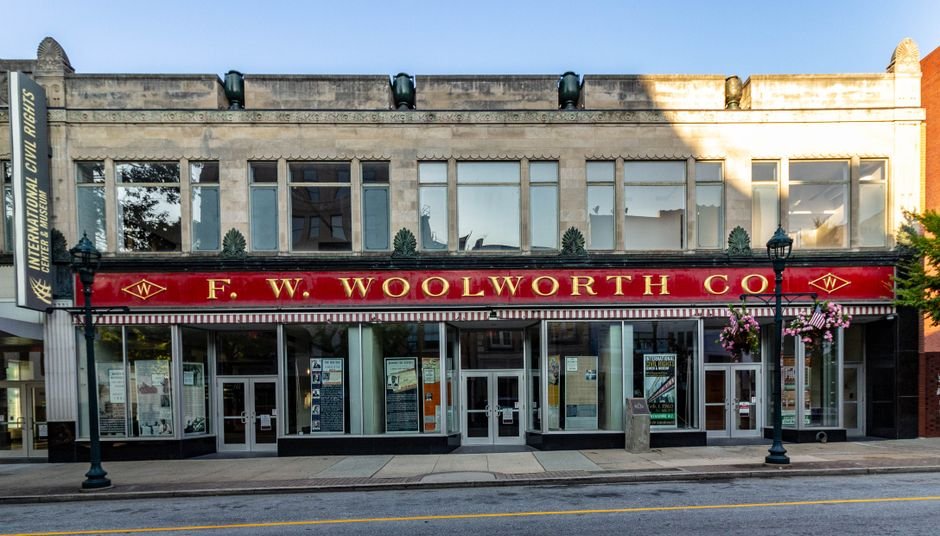
In short: Woolworth’s built the first modern retail empire by standardizing low‑price, self‑service shopping, but mis‑read the shift to specialty and big‑box formats, leading to a gradual exit from department stores and a re‑branding as Foot Locker.
Rise: From a Failed Five‑Cent Shop to a National Chain

Woolworth’s paradox lay in its humble beginnings: a store that failed within three months became the seed of a retail empire. Frank Winfield Woolworth opened the first “Great Five Cent Store” on February 22 1879 in Utica, New York, but the venture folded after only ninety days. Undeterred, Woolworth relocated to Lancaster, Pennsylvania, and launched a second outlet on June 21 1879. This store, unlike its predecessor, proved viable and demonstrated the power of a simple value proposition—everything priced at five cents.
The success in Lancaster allowed Woolworth to refine a model that would dominate American retail for decades. He partnered with his brother, Charles Sumner Woolworth, creating a partnership that combined Frank’s merchandising instincts with Charles’s operational discipline. Together they standardized store layouts, introduced fixed price tags, and emphasized self‑service: customers could browse aisles without a clerk’s assistance, a novelty that reduced labor costs and attracted price‑sensitive shoppers.
By the early 1900s, Woolworth’s had proliferated across the United States, operating hundreds of stores in major cities and small towns alike. The chain’s growth was propelled by a franchise‑like system in which local entrepreneurs bought the right to use the Woolworth name and buying power, while the parent company supplied merchandise at bulk rates. This network effect lowered inventory costs and enabled rapid geographic expansion without the capital intensity of wholly owned stores.
Woolworth’s also pioneered the “cash‑and‑carry” model, eliminating credit sales and the associated risk of bad debts. The emphasis on low price points, high turnover, and cash transactions created a resilient cash flow that funded further expansion. By 1914, the company operated more than 1,200 stores in the United States, establishing itself as the pre‑eminent five‑and‑dime retailer.
Peak: International Reach and Diversification
At its zenith, Woolworth’s was not merely an American phenomenon; it had become a global brand. The first overseas venture arrived in the United Kingdom in 1909, where the chain adapted its American formula to local tastes while retaining the five‑penny pricing strategy. Success in Britain opened doors to Ireland in 1914, Germany in 1927, and Mexico in 1956. Each market received a localized product mix—imported novelties, confectionery, and household goods—yet all shared the core promise of “everything for a nickel or a dime.”
International growth was underpinned by a sophisticated supply chain. Woolworth’s central buying office negotiated directly with manufacturers, achieving economies of scale that few competitors could match. The company’s catalogues listed thousands of SKUs, and inventory turnover remained high because the low price points encouraged frequent, impulse purchases.
Beyond retail, Woolworth’s diversified into related businesses. In 1963, it acquired Kinney Shoes, a move that later birthed the Foot Locker brand in 1974. This diversification was strategic: while five‑and‑dime stores attracted a broad demographic, the shoe division targeted a more specialized, higher‑margin market. The dual focus allowed Woolworth’s to weather regional economic fluctuations, as strong performance in one division could offset weakness in another.
By the mid‑20th century, Woolworth’s had become a cultural institution. Its storefronts were fixtures on Main Streets, and the brand’s “golden arches” were synonymous with affordable variety. Financially, the company reported annual revenues exceeding $1 billion in the 1960s—a remarkable figure for a retailer rooted in five‑cent pricing.
Turning Point: Market Shifts and Strategic Missteps
The first cracks in Woolworth’s dominance appeared in the 1970s and 1980s as consumer preferences evolved. Shoppers began gravitating toward larger, category‑focused retailers such as Walmart, Target, and specialty chains that offered broader selections under one roof. These competitors leveraged sophisticated distribution centers, computerized inventory systems, and aggressive discounting—advantages that eroded Woolworth’s price leadership.
Woolworth’s response was mixed. The company attempted to modernize its stores with brighter interiors and expanded product lines, but it struggled to shed the “five‑and‑dime” image that increasingly seemed dated. Meanwhile, its international operations faced local competition that could adapt more quickly to market nuances. In the United Kingdom, for example, discount chains like Tesco and the emergence of “big‑box” formats reduced foot traffic to Woolworth’s stores.
Compounding the external pressures were internal strategic errors. The acquisition of Kinney Shoes, while eventually fruitful, initially diverted management attention and capital away from core retail challenges. Moreover, the decision in 1982 to divest the UK and Irish Woolworth divisions removed a profitable segment that could have provided a buffer against domestic decline.
By the early 1990s, Woolworth’s U.S. stores were experiencing double‑digit same‑store sales declines. The company’s balance sheet reflected mounting lease obligations and underperforming inventory, while the sporting‑goods division—anchored by Foot Locker—showed robust growth. The divergence set the stage for a decisive restructuring.
Fall: Divestiture, Rebranding, and the End of an Era
Recognizing that the traditional department‑store model was no longer sustainable, Woolworth’s leadership embarked on a systematic divestiture. In July 1997, the company closed its final U.S. Woolworth department stores, effectively ending the five‑and‑dime era on American soil. Simultaneously, the corporate entity renamed itself Venator Group, signaling a shift away from its historic retail identity.
The divestment continued abroad. In 1997 and 1998, Woolworth sold its remaining operations in Mexico and Germany, exiting markets where the brand had once been a household name. These sales generated short‑term cash but confirmed the strategic retreat from the core retail business that had defined the company for over a century.
By 2001, the transformation was complete: the former Woolworth conglomerate operated exclusively in the sporting‑goods sector under the Foot Locker, Inc. name. The Foot Locker brand, originally a subsidiary created in 1974, leveraged the growing popularity of athletic apparel and shoes, capitalizing on trends that Woolworth’s original model could never have anticipated.
Woolworth’s physical legacy, however, remains visible. Former store locations have been repurposed as grocery stores, discount outlets, or community spaces, but the iconic “Woolworth’s” signage still evokes nostalgia for a retail format that once defined the everyday shopping experience.
Lesson: The Imperative of Continuous Reinvention
The Woolworth saga illustrates a timeless principle for today’s business leaders: success built on a single value proposition—low price, broad assortment, and self‑service—must evolve as consumer expectations shift. Woolworth’s early innovations—standardized pricing, cash‑and‑carry, and a scalable franchise model—revolutionized retail and generated a massive empire. Yet, the company’s reluctance to fundamentally reimagine its brand identity in the face of big‑box discounting and specialty retailers left it vulnerable.
Modern enterprises can apply this lesson by institutionalizing adaptive strategies. First, maintain a vigilant market‑watch function that monitors emerging competitors, technology, and consumer behavior. Second, allocate resources to experiment with new formats before existing ones become obsolete. Third, diversify revenue streams in ways that complement, rather than distract from, the core mission. Finally, nurture a corporate culture that embraces change rather than clings to legacy perceptions.
For the reader, the concrete takeaway is clear: regularly audit your business model against future trends, and be prepared to pivot decisively—even if it means redefining the brand you have built. In doing so, you safeguard your organization against the same fate that turned Woolworth’s from a retail titan into a foot‑locker nameplate.
Frequently Asked Questions
When did the first Woolworth store open?
Frank Winfield Woolworth opened his first store, Woolworth’s Great Five Cent Store, on February 22 1879 in Utica, New York, though it closed after three months.
What was Woolworth’s biggest international expansion?
Woolworth’s entered the United Kingdom in 1909, followed by Ireland (1914), Germany (1927) and Mexico (1956), creating a global five‑and‑dime network.
How did Woolworth’s become Foot Locker?
After divesting its department‑store operations in the 1990s, the company focused on its sporting‑goods division, renamed itself Venator Group in 1997 and adopted the Foot Locker name in 2001.
What lesson can modern retailers learn from Woolworth’s decline?
Adapting to changing consumer preferences and technology is essential; retailers must continuously reinvent the shopping experience or risk obsolescence.