
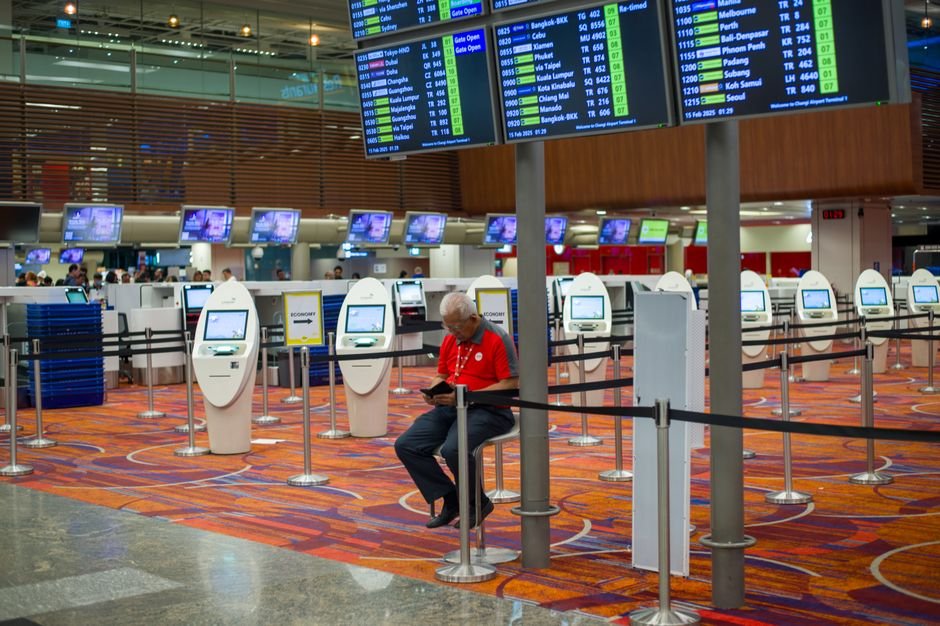
In short: Airlines earn most of their profit from ancillary services, cargo transport, loyalty program sales, and strategic alliances—not from the sale of passenger seats alone. Understanding these revenue streams reveals why airlines can thrive even when ticket prices are low.
It seems absurd that the airline industry, built on the sale of seats, actually thrives on everything *but* those seats.
Rise: The Early Airline Business Model
When commercial aviation first took off in the 1920s and 1930s, airlines were simple operators: they owned a handful of aircraft, held an air operating certificate issued by a governmental aviation body, and sold seats to passengers. Ownership was largely personal or family‑run, and the revenue picture was straightforward—ticket price minus fuel, crew, and maintenance costs.
After World War II, governments stepped in. From the 1940s through the 1980s, many major carriers became state‑owned, and the focus remained on scheduled passenger service. The business model still revolved around seat sales, but the scale increased dramatically as airlines added more routes and larger fleets. The essential cost structure—fuel, labor, aircraft depreciation—did not change, but the volume of passengers grew, reinforcing the belief that ticket revenue was the lifeblood of the industry.
Even then, airlines recognized a secondary source of income: cargo. Passenger aircraft have a belly‑hold that can be filled with freight, allowing carriers to earn additional money on each flight. However, cargo was treated as a modest supplement rather than a core profit driver. The prevailing narrative stayed locked on the idea that a full flight equaled a successful airline.
Peak: Diversification and the Birth of Ancillary Revenue
The 1980s ushered in deregulation and large‑scale privatization, prompting airlines to seek new ways to boost margins. With competition intensifying, carriers could no longer rely solely on ticket price differentials. This environment birthed the modern ancillary revenue model.
Ancillary fees include checked‑baggage charges, seat‑selection premiums, priority boarding, onboard sales, and change‑fee penalties. Because these fees are added on top of the base fare, they are not limited by the airline’s regulated fare structure. Over time, ancillary income grew to represent a sizable share of total revenue for many carriers, often eclipsing the net profit from ticket sales alone.
Simultaneously, the cargo segment expanded. Airlines began marketing belly‑hold space to freight forwarders and e‑commerce companies, turning each passenger flight into a dual‑purpose revenue generator. The rise of global online retail in the late 1990s and early 2000s further amplified demand for fast air freight, giving airlines a new, relatively stable income stream that was less sensitive to passenger demand cycles.
Alliances also entered the picture. The formation of Star Alliance (1997), SkyTeam (2000), and Oneworld (1999) allowed airlines to coordinate schedules, share lounges, and sell interline tickets. Through codeshare agreements, an airline could sell seats on another carrier’s aircraft and collect a fee, effectively extending its network without the cost of operating additional routes. These partnership fees, combined with shared frequent‑flyer program administration, added another layer of profitability.
Turning Point: Loyalty Programs as Cash Machines
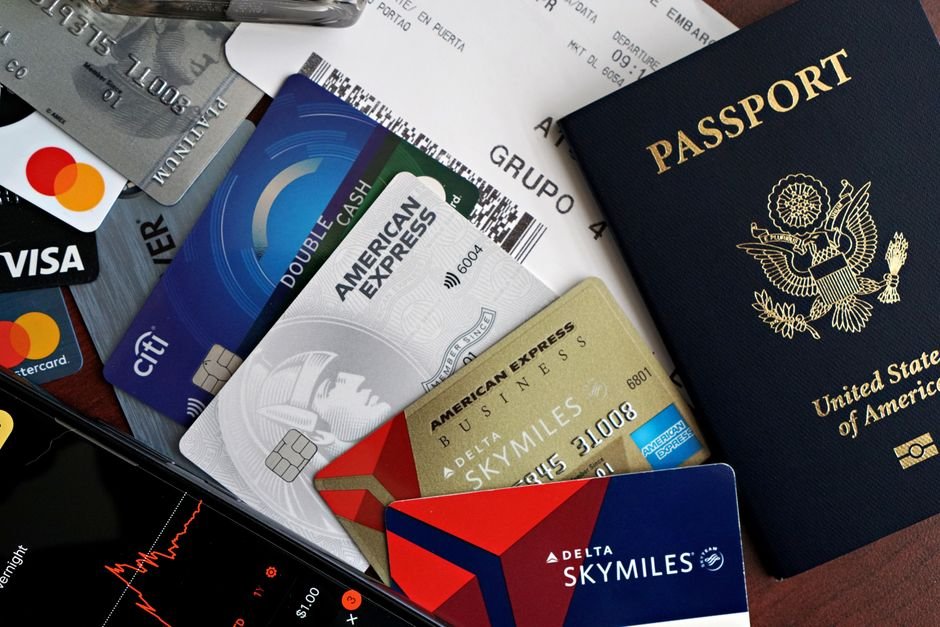
Frequent‑flyer programs, originally designed to reward repeat customers, evolved into powerful financial assets. Airlines began selling miles to credit‑card issuers, hotels, and other travel partners. The cash received from these sales often exceeds the cost of redeeming the miles for flights or upgrades, creating a high‑margin revenue source that is largely insulated from fuel price volatility or seat‑load fluctuations.
Because loyalty programs are tied to a carrier’s brand, they also reinforce customer retention, making passengers more likely to choose the same airline or its alliance partners. This stickiness translates into higher ancillary spend per passenger, reinforcing the profitability loop.
At the same time, the industry saw a surge in low‑cost carriers (LCCs) that stripped the traditional service model to its bare bones. LCCs relied heavily on ancillary fees and minimized in‑flight services, proving that a seat‑only revenue model was not sufficient for sustainable profit. Legacy carriers responded by unbundling services—charging separately for baggage, meals, and seat selection—mirroring the LCC approach and further expanding the ancillary pie.
Fall: The Vulnerability of the Seat‑Centric Myth
When the COVID‑19 pandemic hit in 2020, passenger demand collapsed almost overnight. Seat revenue plummeted, and airlines that had not diversified beyond ticket sales faced existential threats. However, carriers with robust cargo operations, strong ancillary portfolios, and valuable loyalty‑program cash balances were better positioned to weather the storm.
During the height of the pandemic, many airlines repurposed passenger aircraft for cargo‑only flights, leveraging the belly‑hold capacity to transport medical supplies and e‑commerce goods. This pivot demonstrated that cargo is not merely a supplemental line item; it can become the primary revenue source when passenger traffic dries up.
Additionally, airlines that had sold large blocks of miles to partners could draw on those cash reserves to cover operating costs. The financial cushion provided by loyalty‑program sales proved decisive for several carriers that otherwise might have required government bailouts.
The crisis reinforced a hard lesson: the belief that “full seats equal profit” is a dangerous oversimplification. Airlines that continued to treat seats as the sole profit driver found themselves with unsustainable cost structures, while those that embraced a multi‑stream model emerged more resilient.
Lesson: Build a Multi‑Stream Revenue Engine
For any airline—whether a legacy carrier, a regional operator, or a low‑cost startup—the path to sustainable profitability lies in treating the business as a portfolio of revenue engines rather than a single ticket‑sale machine. First, develop a disciplined ancillary strategy: price baggage, seat selection, and priority services in a way that maximizes per‑passenger yield without alienating customers. Second, actively market belly‑hold cargo space to freight forwarders and e‑commerce firms, turning every passenger flight into a dual‑purpose revenue generator. Third, cultivate a loyalty program that not only drives repeat business but also sells miles to partners for cash. Finally, participate in an airline alliance or establish codeshare agreements to earn network fees and share resources.
By focusing on these four pillars—ancillary fees, cargo, loyalty‑program cash, and alliance partnerships—airlines can create a balanced financial structure that withstands demand shocks, fuel price swings, and competitive pressure. The practical takeaway for executives and investors is simple: audit your revenue mix, identify gaps in ancillary or cargo capability, and invest in the infrastructure (e.g., cargo handling systems, partnership management) needed to turn those gaps into profit centers. When the next market disruption arrives, a diversified revenue engine will keep the airline airborne even if seats stay empty.
Frequently Asked Questions
What are the main sources of airline revenue besides ticket sales?
The primary non‑ticket revenue streams are ancillary fees (baggage, seat selection, etc.), cargo transport, loyalty program partnerships, and alliance‑related income such as codeshare fees.
How does cargo contribute to an airline’s earnings?
Passenger aircraft carry freight in their belly holds, generating a steady flow of revenue that is largely independent of passenger load factors, while dedicated cargo airlines focus solely on freight transport.
Why are airline alliances important for profitability?
Alliances like Star Alliance, SkyTeam, and Oneworld enable airlines to share routes, pool frequent‑flyer programs, and earn fees from codeshare agreements, expanding market reach without the cost of operating additional flights.
How do loyalty programs become a profit center?
Airlines sell miles to credit‑card issuers and travel partners, turning frequent‑flyer points into a high‑margin cash flow that often exceeds the cost of redeeming the miles.