

In short: Kodak invented the first self‑contained digital camera in the mid‑1970s but deliberately suppressed the technology to protect its film business, a decision that ultimately contributed to its collapse and bankruptcy in 2012.
A company that pioneered the very technology that would render its core product obsolete chose to hide that breakthrough, only to watch the world move on without it.
Rise: From Roll Film to Global Icon
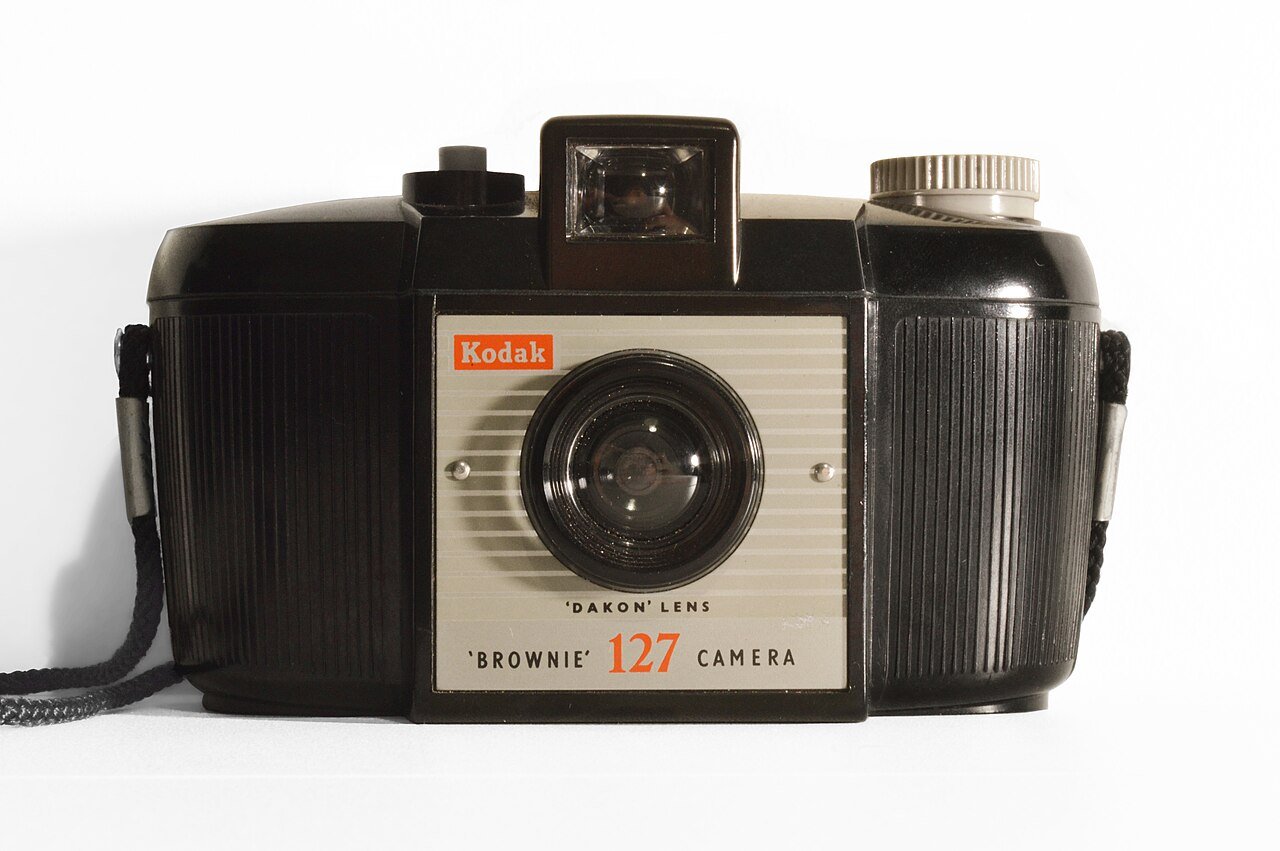
Eastman Kodak began as a partnership between George Eastman and Henry A. Strong, whose goal was to develop a practical roll‑film camera. The first Kodak camera, introduced in the late 19th century, made photography accessible to the masses and established a business model that would dominate the industry for decades. On May 23 1892, the firm incorporated as Eastman Kodak Company, anchoring its headquarters in Rochester, New York, and later incorporating in New Jersey.
Under Eastman’s visionary leadership, Kodak grew into one of the world’s largest manufacturers of film and cameras. The company’s research labs, known as Kodak Research Laboratories, poured heavy investment into R&D, delivering innovations that kept the brand at the forefront of photographic technology. Iconic products such as the Brownie (introduced in 1900) and later the Instamatic line cemented Kodak’s place in households worldwide. The phrase “Kodak moment” entered everyday language, symbolizing the cultural ubiquity of the brand.
By the middle of the 20th century, Kodak’s dominance was unquestioned. Its integrated approach—producing everything from film emulsions to processing chemicals—allowed it to capture nearly every dollar spent on photography. The company also pioneered a model of welfare capitalism, investing in the Rochester community and fostering a loyal workforce that reinforced its market position.
Peak: Technological Leadership and Market Control
During the post‑war boom, Kodak’s market share in photographic film consistently hovered above 80 percent in the United States. The company’s research laboratories continued to break new ground, not only in film chemistry but also in emerging electronic imaging. By the 1970s, Kodak engineers had developed integral color image sensors and, in the mid‑1970s, assembled the first self‑contained digital camera prototype. This device captured still images using a charge‑coupled device (CCD) sensor, stored them on a solid‑state memory, and displayed them on a small LCD—a complete digital imaging system decades before consumer digital cameras appeared.
Despite this breakthrough, Kodak’s leadership faced a paradox. Their core revenue stream—film sales—depended on people buying, developing, and printing physical photographs. The digital camera threatened to eliminate that recurring revenue. Consequently, senior executives chose to keep the digital camera invention under wraps, filing patents but refraining from commercializing the technology. Instead, they continued to double down on film, expanding the Instamatic line and promoting the “you press the button, we do the rest” simplicity that had made photography democratic.
The strategy worked in the short term. Kodak’s annual revenues peaked in the late 1990s, surpassing $15 billion, and the company remained the default supplier for both consumer and professional markets. Its brand equity was unmatched, and its stock was a staple of American portfolios. Yet the very success that insulated Kodak also made it blind to the tectonic shift that digital imaging would soon unleash.
Turning Point: The Digital Deluge and Strategic Missteps
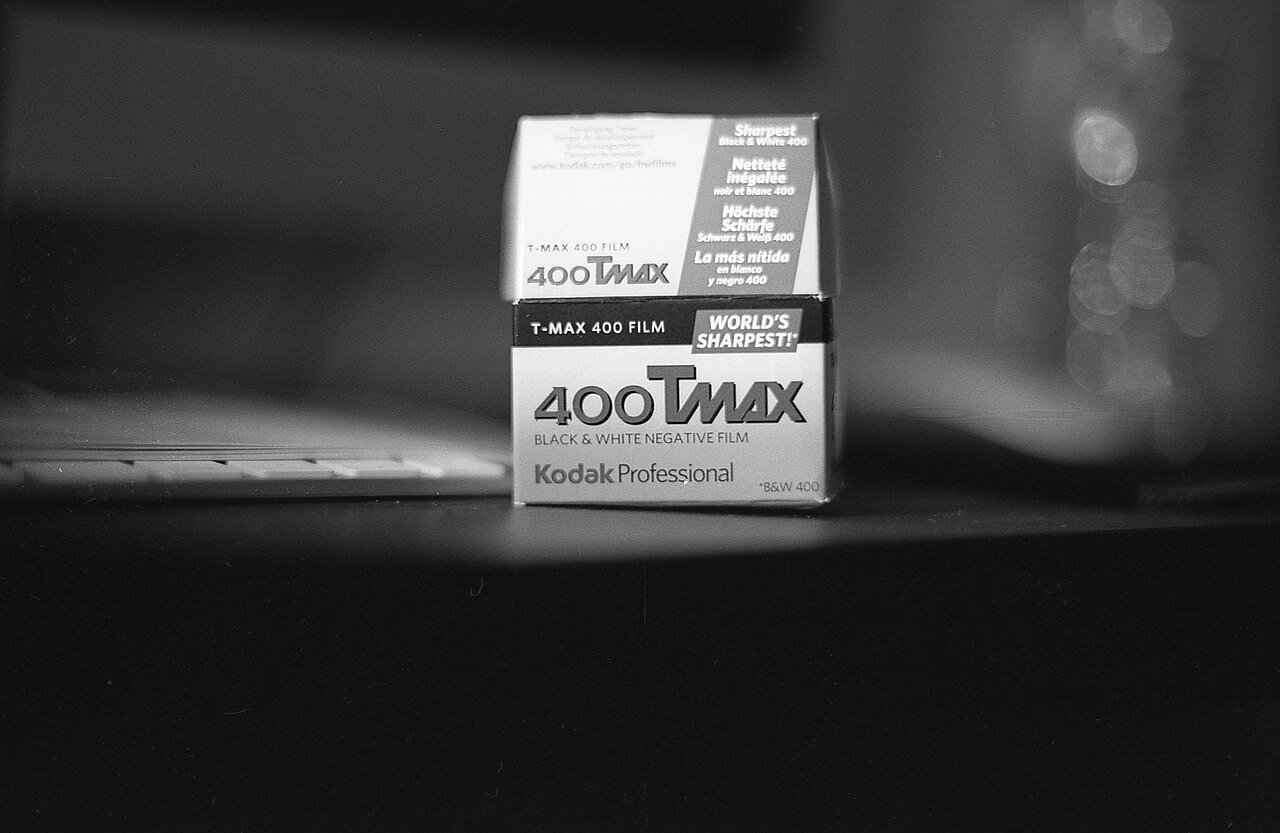
In the late 1990s, competition intensified, most notably from Japanese rival Fujifilm, which began investing heavily in digital technologies. Consumers, attracted by the convenience of instant review and the promise of never‑ending storage, started to adopt digital cameras in increasing numbers. While Kodak possessed the patents and technical know‑how, it struggled to translate them into marketable products.
In an attempt to catch up, Kodak launched a series of digital cameras under the EasyShare brand in the early 2000s. However, these offerings were often viewed as incremental upgrades rather than disruptive innovations. Meanwhile, the company’s internal culture, still heavily oriented toward film chemistry, resisted the allocation of sufficient resources to develop a truly competitive digital ecosystem—including software, online sharing platforms, and printer integration.
The financial impact was immediate. Kodak’s film sales began to erode rapidly, and the company’s profit margins shrank. Diversification attempts in its chemical divisions failed to offset the losses. By January 2012, the cumulative effect of declining film revenue, underperforming digital products, and mounting legacy liabilities forced Kodak to file for Chapter 11 bankruptcy protection in the Southern District of New York.
Fall: Bankruptcy, Restructuring, and a New Identity
The bankruptcy filing marked the end of an era. Kodak entered a court‑supervised reorganization that required it to shed large legacy liabilities, including pension obligations and unprofitable business units. Over the next year and a half, the company streamlined its operations, focusing on three core areas: commercial digital printing, motion‑picture film, and licensing of the Kodak brand.
In September 2013, Kodak emerged from bankruptcy with a drastically altered balance sheet. The newly restructured firm no longer owned its consumer film manufacturing capacity; that segment was spun off into Kodak Alaris, which continues to market still film to niche enthusiasts. Kodak’s remaining business units leveraged the company’s historic expertise in imaging chemistry to produce high‑end digital printing plates and motion‑picture film for professional studios.
Even after its rebirth, Kodak’s story did not end there. In response to the COVID‑19 pandemic, the company announced in late July 2020 that it would begin producing pharmaceutical materials, a diversification pivot that reflected both the need for new revenue streams and the firm’s lingering capacity for rapid manufacturing scale‑up. While this move generated headlines, it did not erase the fundamental lesson of the earlier collapse: a failure to adapt the core business model to disruptive technological change.
Lesson: Guarding Innovation Requires Courage, Not Comfort
The Kodak narrative illustrates a timeless principle for any organization facing disruptive innovation. Possessing a breakthrough technology is insufficient; a company must be willing to cannibalize its own profitable legacy to stay ahead. Kodak’s decision to bury the digital camera prototype—despite holding the patents—protected short‑term film profits but sacrificed long‑term relevance. The firm’s research labs continued to generate patents, yet the corporate strategy prioritized protecting existing cash flows over embracing the inevitable transition to digital imaging.
For modern businesses, the practical takeaway is clear: when a new technology threatens the revenue source that built your empire, treat it as an opportunity rather than a threat. Create autonomous units with separate P&L responsibility, incentivize internal “cannibalization” projects, and align leadership compensation with long‑term value creation rather than quarterly film‑like earnings. By institutionalizing a culture that rewards bold pivots, companies can turn potential disruption into a catalyst for renewed growth.
In concrete terms, any executive can apply this lesson by conducting a quarterly “disruption audit.” Identify emerging technologies that could render a core product obsolete, assess internal capabilities, and allocate a dedicated budget—shielded from the main profit‑center—to develop and test those technologies. When the audit reveals a viable path, empower the team to launch a parallel brand or spin‑off, even if it initially eats into existing sales. The cost of self‑cannibalization is far lower than the price of being left behind.
Frequently Asked Questions
What was Kodak’s role in the development of digital cameras?
Kodak created the first self‑contained digital camera prototype in the mid‑1970s and held key patents on image sensor technology, but it kept the invention hidden to protect its lucrative film business.
When did Kodak file for bankruptcy?
Kodak filed for Chapter 11 bankruptcy protection in January 2012 in the Southern District of New York.
How did Kodak emerge from bankruptcy?
In September 2013 Kodak emerged from bankruptcy after shedding large legacy liabilities, restructuring its operations, and focusing on commercial digital printing, motion‑picture film, and licensing the Kodak brand.
What new business did Kodak pursue during the COVID‑19 pandemic?
In late July 2020 Kodak announced it would begin producing pharmaceutical materials to help meet pandemic‑related demand.