
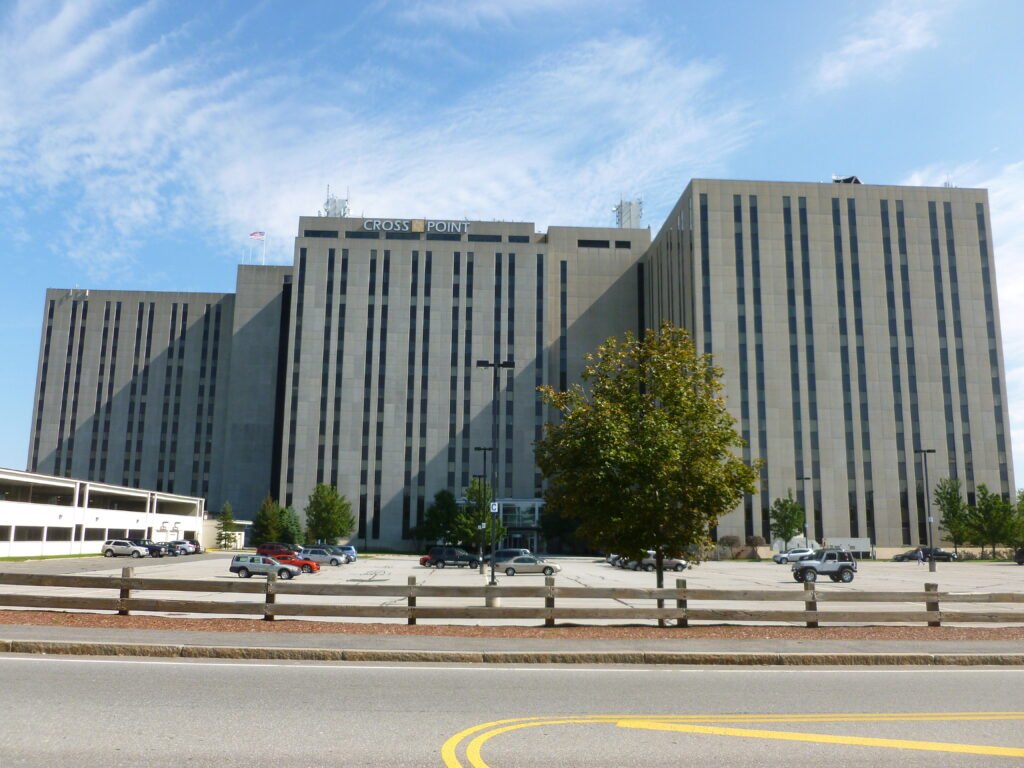
In short: Wang Laboratories, once a dominant force in the word-processing industry, rose to prominence under the leadership of An Wang, peaking with $3 billion in annual revenue and 33,000 employees. However, strategic missteps and failure to adapt to the personal computer revolution led to its bankruptcy in 1992. The company’s story offers critical lessons in innovation and leadership.
The Rise of Wang Laboratories
In the early 1950s, An Wang, a Chinese immigrant with a Ph.D. in applied physics, co-founded Wang Laboratories in Cambridge, Massachusetts. Initially, the company focused on producing specialized electronic devices such as typesetters and calculators. An Wang’s innovative spirit and technical expertise quickly set the company apart, leading to the development of the Wang 700 series, one of the earliest programmable calculators. This product line marked the beginning of Wang Laboratories’ ascent in the burgeoning tech industry.
By the mid-1970s, Wang Laboratories had pivoted to word processors, recognizing the growing demand for office automation. The Wang 1200 series became a cornerstone of the company’s success, revolutionizing how businesses handled document processing. With its proprietary operating system and user-friendly interface, Wang’s word processors were a hit among corporations, government agencies, and educational institutions. The company’s headquarters moved to Lowell, Massachusetts, accommodating its rapid expansion.
Wang Laboratories’ rise was not just a testament to technological innovation but also to An Wang’s leadership. He maintained a hands-on approach, personally overseeing product development and business strategy. His vision and relentless drive propelled the company to the forefront of the industry, laying the foundation for its peak in the 1980s.
The Peak: Dominating the Word Processing Industry
By the early 1980s, Wang Laboratories had become a household name in the world of office automation. The company’s annual revenues soared to $3 billion, and it employed over 33,000 people worldwide. Its flagship product, the Wang VS minicomputer, was a staple in corporate offices, offering unparalleled processing power and reliability. Wang Laboratories was not just a technology company; it was a symbol of innovation and efficiency.
During this period, Wang Laboratories expanded its product line to include copiers, laser printers, and other office equipment. The company’s success was bolstered by its ability to integrate hardware and software seamlessly, providing comprehensive solutions for businesses. Wang’s word processors were particularly praised for their ease of use and ability to streamline document creation, editing, and printing.
The company’s dominance was also fueled by its strategic partnerships and aggressive marketing campaigns. Wang Laboratories positioned itself as a leader in the Massachusetts Miracle, a term coined to describe the state’s economic boom driven by technology and innovation. However, this period of unparalleled success would soon be challenged by the emergence of new competitors and shifting market dynamics.
The Turning Point: The Personal Computer Revolution
The mid-1980s marked a pivotal moment for Wang Laboratories. The advent of personal computers (PCs) began to disrupt the market, offering businesses more flexible and cost-effective alternatives to Wang’s proprietary systems. Companies like IBM, Apple, and Microsoft were rapidly gaining traction, introducing PCs that were not only affordable but also versatile.
Wang Laboratories initially underestimated the impact of the PC revolution, continuing to focus on its established product lines. While the company did introduce its own PC, the Wang PC, it failed to gain significant market share. The Wang PC was incompatible with industry standards, limiting its appeal to consumers. This strategic misstep highlighted Wang Laboratories’ inability to adapt to the changing technological landscape.
Compounding the issue was the company’s reliance on its proprietary systems, which were increasingly seen as outdated. Businesses began to shift towards open systems that allowed for greater interoperability and scalability. Wang Laboratories’ failure to pivot effectively left it vulnerable to competitors, setting the stage for its eventual decline.
The Fall: Bankruptcy and Restructuring
By the late 1980s, Wang Laboratories was facing mounting financial pressures. The company’s revenues began to decline as its market share eroded. Efforts to diversify into software and services proved insufficient to offset the losses from its declining hardware business. In 1990, An Wang passed away, leaving a leadership vacuum that further destabilized the company.
In August 1992, Wang Laboratories filed for Chapter 11 bankruptcy protection. The company’s inability to adapt to the PC revolution and its over-reliance on proprietary systems had taken their toll. Wang Laboratories emerged from bankruptcy as Wang Global, shifting its focus to network services and consulting. However, the company never regained its former glory.
Wang Global was acquired by Getronics of the Netherlands in 1999, becoming Getronics North America. The company changed hands several times in the following years, eventually being sold to KPN in 2007 and CompuCom in 2008. Today, Wang Laboratories’ legacy serves as a cautionary tale of the importance of innovation and adaptability in the tech industry.
The Lesson: Adapt or Perish
The story of Wang Laboratories underscores a critical lesson for businesses in any industry: adapt or perish. An Wang’s visionary leadership and technological innovation propelled the company to unprecedented heights, but its inability to respond to the PC revolution led to its downfall. The tech industry is inherently dynamic, and companies must remain agile to stay competitive.
For modern businesses, the Wang Laboratories’ story offers valuable insights. First, it highlights the importance of staying attuned to market trends and emerging technologies. Second, it emphasizes the need for flexibility in business strategy, particularly in industries characterized by rapid change. Finally, it serves as a reminder that even the most successful companies are not immune to disruption.
In conclusion, Wang Laboratories’ rise and fall provide a compelling narrative of innovation, success, and the consequences of failing to adapt. By learning from its mistakes, businesses can better navigate the challenges of an ever-evolving market and ensure their long-term success.
Frequently Asked Questions
What was Wang Laboratories known for?
Wang Laboratories was known for pioneering word processors, calculators, and office automation systems, becoming a leader in the industry during the 1980s.
Why did Wang Laboratories fail?
Wang Laboratories failed due to strategic missteps, including a delayed response to the personal computer revolution and over-reliance on its proprietary systems.
Who founded Wang Laboratories?
Wang Laboratories was founded in 1951 by An Wang and Ge Yao Chu, with An Wang playing a pivotal role in its leadership and product strategy.
What happened to Wang Laboratories after bankruptcy?
After filing for bankruptcy in 1992, Wang Laboratories reemerged as Wang Global, was acquired by Getronics in 1999, and later sold to KPN and CompuCom.