

In short: Kodak invented the first self‑contained digital camera in the mid‑1970s but deliberately suppressed the technology to protect its film business, a decision that contributed to its eventual bankruptcy.
It is paradoxical that the company whose name once defined every family photograph also invented the technology that would render its core product obsolete.
Rise: From Roll Film to Global Dominance
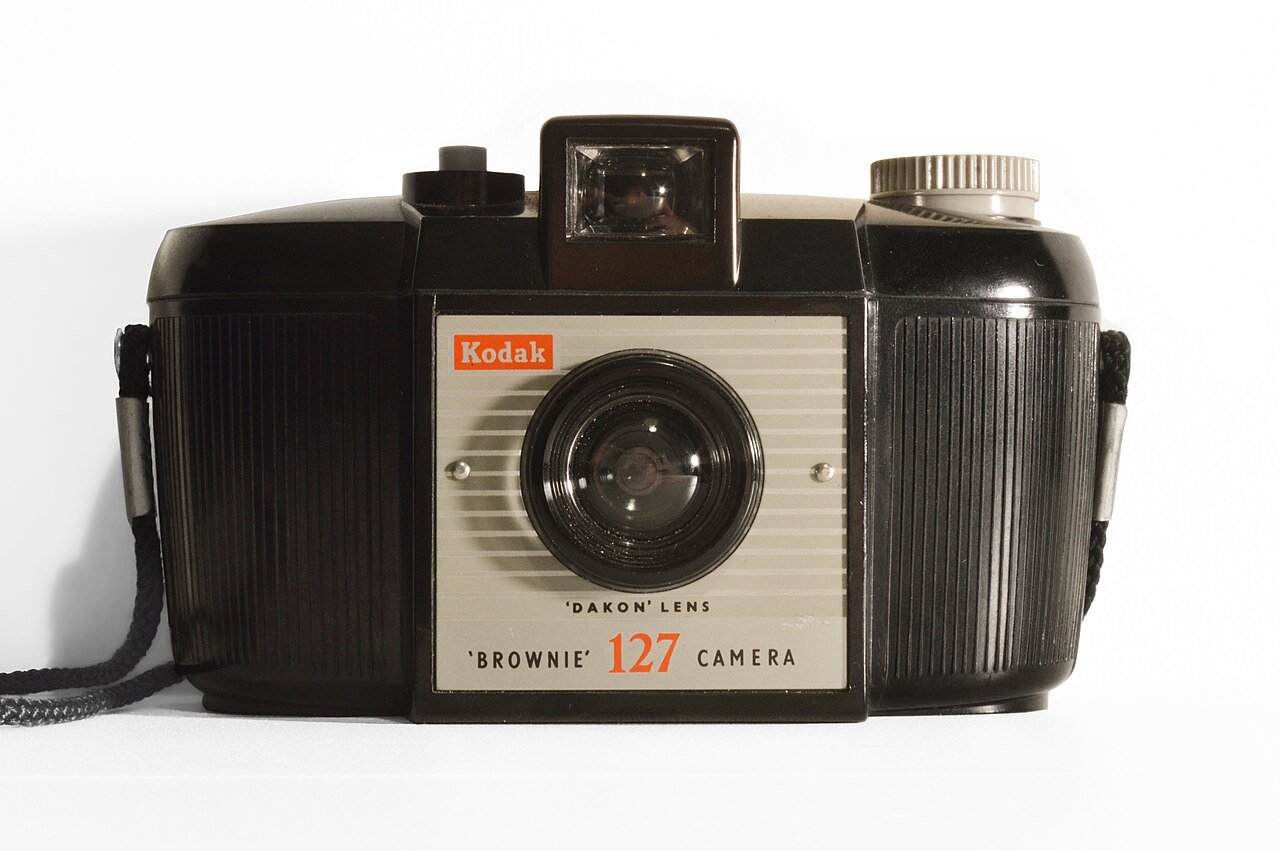
Founded as a partnership between George Eastman and Henry A. Strong, the Eastman Kodak Company incorporated on May 23, 1892. Eastman’s vision was simple yet revolutionary: make photography accessible to the masses. The introduction of the Kodak camera and roll film transformed a hobby once limited to professionals into a household activity. Kodak’s “Brownie” camera, launched in the early 20th century, and later the “Instamatic” line, cemented the brand’s cultural ubiquity. The phrase “Kodak moment” entered everyday language, signifying any event worth recording.
Through the first half of the 20th century, Kodak invested heavily in research and development at its Kodak Research Laboratories. This commitment yielded a string of technological breakthroughs, from color film to high‑speed emulsions, reinforcing Kodak’s position as the world’s largest film and camera manufacturer. The company also pioneered a model of welfare capitalism, providing extensive employee benefits and forging a close relationship with its hometown of Rochester, New York. By the 1990s, Kodak’s annual revenues topped $13 billion, and its brand was synonymous with photography worldwide.
Peak: Technological Leadership and Market Control
At its zenith, Kodak controlled the majority of the photographic film market and produced a suite of iconic cameras. The firm’s dominance was not merely commercial; it was also scientific. Kodak’s research labs were responsible for many of the industry’s core innovations, including the development of the first practical color image sensor. This sensor, an integral component of digital imaging, was a direct outgrowth of Kodak’s expertise in capturing and reproducing color.
In the mid‑1970s, Kodak engineers built a prototype that combined a charge‑coupled device (CCD) sensor with a compact housing, creating what can be recognized today as the first self‑contained digital camera. The prototype could capture an image, store it electronically, and display it on a small screen—functions that would later define the consumer digital camera market. Despite this breakthrough, the prototype remained an internal research project, never presented to the public or even to senior management as a commercial product.
The company’s market share, brand equity, and cash flow allowed it to dominate the photographic supply chain—from film production to processing labs. Kodak’s “Kodak moment” advertising reinforced the narrative that preserving memories required film, further entrenching consumer habits that favored Kodak’s core business.
Turning Point: The Decision to Suppress Digital Innovation
By the late 1980s and early 1990s, external competitors such as Fujifilm began investing aggressively in digital technologies. Meanwhile, consumer interest in electronic imaging was growing, spurred by advances in computer graphics and the emergence of early digital cameras from niche players. Inside Kodak, the research labs continued to refine digital sensor technology, but corporate leadership faced a stark dilemma.
Kodak’s executives feared that releasing a digital camera would erode the massive, highly profitable film business that had funded the company’s research for decades. The internal logic was that the short‑term loss of film sales would outweigh any potential long‑term gains from a new market in which Kodak lacked experience. Consequently, the company chose to keep its digital camera prototype under wraps, focusing instead on incremental improvements to film and related chemicals.
In the late 1990s, Kodak attempted to diversify by expanding into chemical operations and later into digital printing, but these ventures failed to offset the declining demand for film. The company’s reluctance to market its own digital camera allowed competitors—most notably Sony, Canon, and Nikon—to capture the emerging digital market share. By the time Kodak launched its own consumer digital cameras in the early 2000s, the market was already saturated, and the brand’s late entry was perceived as a catch‑up effort rather than a pioneering move.
Fall: Financial Collapse and Bankruptcy
The strategic misstep of burying its digital camera invention set the stage for a prolonged financial decline. Kodak’s revenue began to shrink in the late 1990s as Fujifilm and other rivals gained ground. The company’s attempts to pivot to digital printing and to license its brand for products like the PIXPRO line of cameras could not reverse the downward trend. By 2011, Kodak’s earnings were insufficient to service its debt, and the firm faced mounting legacy liabilities tied to its film operations.
In January 2012, Kodak filed for Chapter 11 bankruptcy protection in the United States Bankruptcy Court for the Southern District of New York. The filing marked the culmination of years of underinvestment in emerging technologies and a strategic choice to protect an outdated revenue stream. The bankruptcy process allowed Kodak to shed large legacy liabilities, restructure its operations, and exit several unprofitable businesses.
Emerging from bankruptcy in September 2013, Kodak re‑oriented its business model toward commercial digital printing, motion‑picture film, and licensing the Kodak brand. The company also spun off its consumer‑focused still‑film business into Kodak Alaris, ensuring that the iconic film products remained available to enthusiasts. In 2020, amid the COVID‑19 pandemic, Kodak announced a brief foray into pharmaceutical material production, illustrating its continued search for viable revenue sources.
Lesson: Guarding the Core Must Not Blindside the Future
Kodak’s story illustrates a timeless strategic principle: protecting a dominant legacy product should never preclude investment in disruptive technologies that could become the next core business. The company possessed the technical expertise, research infrastructure, and market insight to lead the digital photography revolution. Yet, fear of cannibalizing film sales led to a deliberate suppression of its own invention. By the time Kodak finally entered the digital market, it was a follower rather than a leader, and the damage to its brand equity and financial health was irreversible.
For today’s executives, the practical takeaway is clear. When a firm’s revenue is heavily weighted toward a single, mature product line, leaders must create a parallel “innovation sandbox” that is insulated from short‑term profit pressures. This sandbox should have dedicated funding, independent governance, and clear metrics that reward long‑term value creation, not just immediate sales. Moreover, companies should regularly assess how emerging technologies could render existing offerings obsolete and be prepared to pivot before competitors do.
In practice, this means establishing cross‑functional teams tasked with exploring disruptive trends, granting them authority to prototype and test without the need for immediate board approval. It also requires transparent communication with stakeholders about the strategic necessity of cannibalizing one’s own products—a concept famously championed by innovators like Apple and Amazon. By embracing controlled self‑cannibalization, firms can turn potential threats into opportunities for renewal, avoiding the fate that befell Kodak.
Frequently Asked Questions
When did Kodak develop its first digital camera prototype?
Kodak built the first self‑contained digital camera prototype in the mid‑1970s while working on integral color image sensors.
Why did Kodak choose not to market its digital camera?
Company leaders feared that digital imaging would cannibalize Kodak’s lucrative film business, so they shelved the technology and focused on film sales.
What major financial event marked Kodak’s collapse?
Kodak filed for Chapter 11 bankruptcy protection in January 2012 after years of declining revenue and failed diversification attempts.
How has Kodak survived after emerging from bankruptcy?
Post‑bankruptcy, Kodak shifted to commercial digital printing, motion‑picture film, and licensing the Kodak brand, while still supplying still‑film through the spinoff Kodak Alaris.