
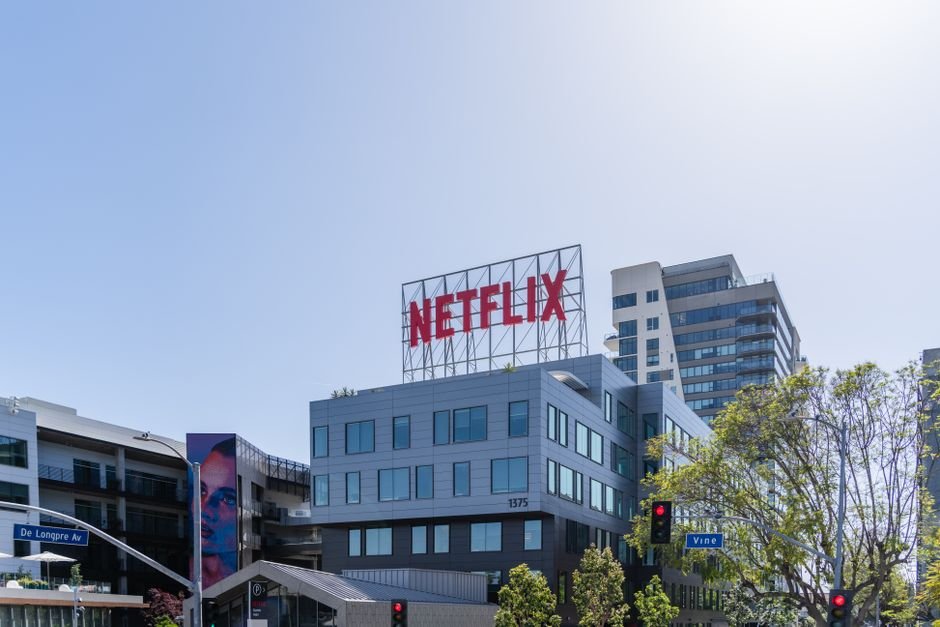
In short: The relentless competition among streaming platforms forces companies to spend heavily on content, technology, and marketing, eroding profit margins and increasing debt. As subscriber growth slows, these expenditures outpace revenue, pushing many firms toward financial distress.
Rise: The Explosive Birth of Streaming Media

Streaming media, defined as the delivery of multimedia data in real‑time packets from a server to a client, exploded from a niche technology in the 1990s into the dominant method of consuming video and audio today. Early pioneers such as RealNetworks and Microsoft introduced the concept of sending a continuous flow of data rather than requiring users to download an entire file before playback. This technical shift enabled video‑on‑demand, streaming television, and music services to reach consumers instantly, a capability that traditional broadcast and physical media could not match.
By the 2010s, broadband penetration, the proliferation of smartphones, and the rise of smart TVs created a fertile environment for subscription‑based platforms. Companies like Netflix, Hulu, and later Disney+, Amazon Prime Video, and Apple TV+ entered the market with the promise of limitless libraries accessible anywhere. The business model—recurring monthly revenue in exchange for a catalog of licensed and original content—appealed to both investors and consumers, driving valuations into the billions. The rapid adoption of streaming also prompted legacy media conglomerates to launch their own services, further intensifying the competitive landscape.
The initial financial picture looked promising. Subscription growth rates in the United States and Europe regularly topped double digits, and global internet traffic associated with video streaming surged from a few petabytes per month in the early 2010s to dozens of exabytes by the late 2010s. This surge validated the core premise of streaming: a scalable, subscription‑driven revenue stream that could eventually eclipse advertising‑based broadcast models.
Peak: The Height of the Streaming Arms Race
At the peak of the streaming wars, each major player was willing to outspend rivals to secure exclusive rights, produce high‑budget original series, and expand technological infrastructure. The logic was straightforward: unique, binge‑worthy content would attract new subscribers and reduce churn, while superior streaming technology would improve user experience and lock in loyalty.
Content spending ballooned dramatically. Studios allocated billions of dollars annually to develop original series, with flagship productions such as “The Crown,” “The Mandalorian,” and “Stranger Things” costing tens of millions per episode. Licensing agreements for popular legacy libraries also grew more expensive, as studios recognized the long‑term value of making their catalog available on a subscription platform.
Beyond content, companies invested heavily in global content delivery networks (CDNs) to reduce latency and buffering across diverse regions. Building or leasing server capacity, optimizing adaptive bitrate streaming, and ensuring compliance with local regulations added significant capital expenditures. Marketing budgets swelled as firms competed for mindshare in an increasingly crowded marketplace, often spending as much on advertising as on content creation.
During this period, many streaming services reported impressive subscriber counts. Netflix surpassed 200 million global subscribers, Disney+ quickly reached 100 million, and Amazon Prime Video leveraged its broader e‑commerce ecosystem to add tens of millions more. On the surface, the industry appeared to be on a trajectory of relentless growth, reinforcing the belief that the battle for viewers would continue to generate ever‑larger cash flows.
Turning Point: Market Saturation and the Erosion of Margins
The turning point arrived as the most accessible markets—North America, Western Europe, and parts of Asia—approached saturation. Household penetration for high‑speed broadband and smart devices reached levels where most potential viewers already subscribed to at least one service. Consequently, the low‑hanging fruit of easy subscriber acquisition dried up, and growth shifted from “new users” to “additional services per user.”
Data from industry analysts indicated that average U.S. households now maintain between two and three streaming subscriptions, a pattern that dilutes the impact of any single platform’s acquisition efforts. Rather than adding new customers, companies began to rely on upselling premium tiers, ad‑supported tiers, or bundled offerings. This shift placed pressure on pricing power; raising subscription fees risked accelerating churn, while discounting threatened revenue per user.
Simultaneously, the cost structure that had fueled the arms race began to bite. Content budgets that once seemed justified by rapid subscriber gains now ate deep into operating cash flow. For example, annual reports from major platforms disclosed operating losses that widened year over year, despite revenue growth. The combination of high fixed costs (content amortization, CDN capacity) and a plateauing subscriber base meant that profit margins fell sharply.
Furthermore, the financial markets grew wary. Investors scrutinized cash‑burn rates and debt levels, demanding clearer paths to profitability. Companies that had financed their expansion through equity offerings or convertible debt now faced higher interest obligations, adding another layer of financial strain. The paradox emerged: the very spending that propelled the industry to its peak now threatened the solvency of its participants.
Fall: The Quiet Slide Toward Financial Distress
As the cost‑revenue imbalance persisted, several streaming firms began to exhibit warning signs of financial distress. Quarterly earnings reports revealed widening operating losses, and balance sheets showed rising long‑term debt. In some cases, firms announced cost‑cutting measures, including layoffs, the cancellation of underperforming series, and the renegotiation of licensing contracts.
The impact of these measures is observable in the broader market. Stock prices of publicly traded streaming entities have experienced heightened volatility, reflecting investor uncertainty about sustainable cash flow. Analysts have downgraded earnings forecasts, citing the “subscription fatigue” phenomenon where consumers become selective about retaining multiple paid services.
Beyond the headline numbers, the industry’s cash‑flow challenges have tangible consequences for content creators and technology partners. Production studios face tighter budgets, leading to fewer green‑light decisions for high‑risk projects. CDN providers encounter slower contract renewals as platforms seek to trim operational expenses. The ripple effect extends to ancillary sectors such as advertising, where ad‑supported tiers generate lower per‑view revenue than traditional broadcast models.
Importantly, the decline is not uniform. Companies with diversified revenue streams—such as Amazon, which couples Prime Video with e‑commerce and cloud services—remain more resilient. However, pure‑play streaming services that rely almost exclusively on subscription fees are the most vulnerable. Their financial health now hinges on achieving economies of scale, improving content efficiency, or finding new monetization levers.
Lesson: Prioritizing Sustainable Economics Over Aggressive Expansion
The streaming wars illustrate a classic business paradox: aggressive growth fueled by massive spending can create a market leader, yet the same spending can erode the very financial foundation needed to stay competitive. For executives and investors, the practical lesson is to balance the pursuit of exclusive, high‑quality content with disciplined cost management.
First, companies should adopt data‑driven content strategies, allocating budgets to projects with clear audience demand and measurable ROI. Second, leveraging shared infrastructure—such as joint CDN agreements or co‑production deals—can spread technology costs across multiple players. Third, exploring diversified revenue models, including tiered pricing, advertising, and transactional rentals, can smooth cash flow and reduce reliance on pure subscription growth.
Finally, executives must monitor key financial metrics—operating margin, cash‑burn rate, and debt‑to‑EBITDA ratios—on a rolling basis, adjusting strategy before losses become untenable. By emphasizing sustainable economics, streaming firms can continue to innovate without jeopardizing their long‑term viability.
Frequently Asked Questions
Why are streaming services spending more on content than before?
Competition for exclusive titles and original series drives higher production budgets, as platforms aim to differentiate themselves and attract subscribers.
How does technology investment affect streaming profitability?
Building global CDN networks, developing adaptive bitrate algorithms, and securing licensing rights require capital outlays that reduce short‑term earnings.
Are there signs that subscriber growth is slowing?
Industry reports show mature markets reaching saturation, with many users maintaining multiple subscriptions rather than adding new ones.
What can companies do to avoid financial ruin in the streaming market?
Firms can focus on cost‑efficient content, strategic partnerships, and data‑driven subscriber retention to improve margins and reduce debt.