
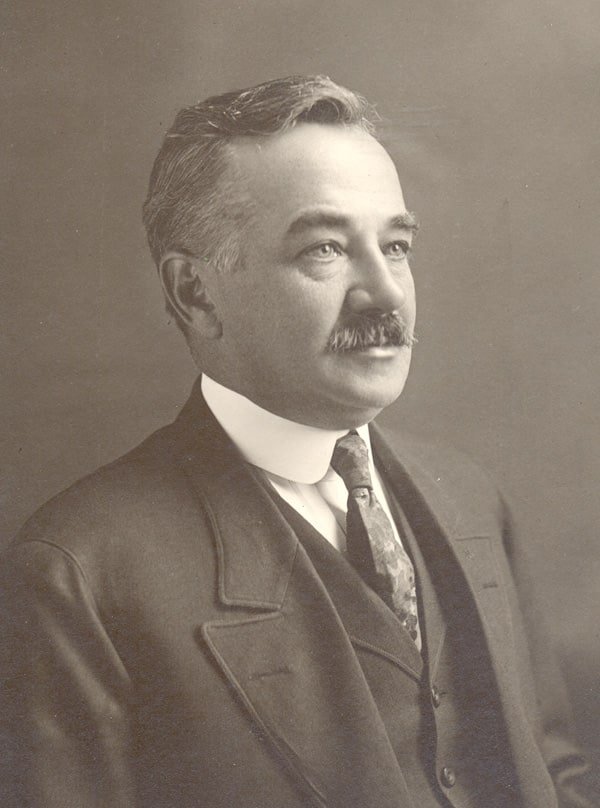
In short: Milton Hershey started with a caramel venture, transitioned to mass‑produced milk chocolate, built a company town, and ultimately gave his empire to the public. His story shows how a business can grow into a philanthropic institution.
Rise
Despite being a man of chocolate, Milton Hershey was a man of silence in a world that demanded loud ambition. He began his career in the confectionery trade, mastering the Đôngn of caramel with fresh milk. In 1888 he founded the Lancaster Caramel Company, a venture that achieved bulk exports and proved his acumen for scale. When the opportunity arose to pivot, Hershey sold the caramel business and refocused on a product that had until then been a luxury: milk chocolate. In 1900, he launched the first Hershey bars. The bars were a commercial success, and the revenue stream was so robust that Hershey could afford to create a company town in Hershey, Pennsylvania. The town was more than a workforce housing; it was a model of worker welfare, a testament to Hershey’s belief that a thriving business must also nurture its people. By the early 1900s, Hershey’s factories were producing chocolate on a mass scale, setting a precedent for the industry and positioning Hershey’s as one of America’s leading confectionery manufacturers. The company’s growth was not merely quantitative; it represented a transformation in how chocolate could be produced and consumedplayed an indelible role in shaping consumer culture.
Peak
At the zenith of his enterprise, Hershey’s had become synonymous with chocolate itself. The company’s production facilities expanded, and by the 1920s the Hershey plant was one of the largest employers in Pennsylvania. Hershey’s was not only a business titan but a cultural icon; the Hershey Chocolate World exhibits the brand’s legacy. In the 1930s, Hershey continued to innovate, responding to the Great Depression by diversifying product lines and maintaining affordable pricing. His ability to keep the enterprise profitable during economic hardship underscored a strategic vision rooted in quality and accessibility. The company also became a pillar of the local community. The school Hershey established in the 1900s, originally intended for orphaned children, grew into a boarding institution that housed around 2,000 students by 2016. This dual focus on economic prosperity and social responsibility underscored Hershey’s belief that the success of a business could and should translate into community benefit. The peak period also saw Hershey’s embracing modern marketing, using its iconic Hershey’s Kisses and other product lines to cement a national presence. Through these efforts, Hershey’s not only dominated the chocolate market but also set new standards for corporate citizenship.
Turning Point
The turning point in Hershey’s journey was the onset of World War II. With the United States entering the conflict, national priorities shifted dramatically. Hershey’s responded by developing a special non‑melting chocolate bar specifically for troops overseas. This product was engineered to withstand the heat of tropical climates, ensuring that soldiers could carry a morale booster without the risk of the chocolate melting. The war effort required rapid adaptation, and Hershey’s proved that its manufacturing processes could be retooled for purpose beyond consumer markets. In addition to the wart correspond, Hershey’s also contributed through charitable efforts, further solidifying its reputation as a socially responsible enterprise. These wartime contributions marked a shift in the company’s identity from pure profit to a broader public service. Hershey’s pivot during this period illustrated the ability of a large corporation to align its resources with national needs, reinforcing the notion that business and society can be mutually reinforcing. The war also catalyzed changes in the company’s structure, preparing it for post‑war expansion and setting the stage for a future philanthropic vision.
Fall
While Hershey’s continued to thrive, Milton Hershey himself began to consider what would happen to the empire after his lifetime. Born in 1857 and passing in 1945, Hershey was deeply aware of the impermanence of personal legacy. In the latter part of his life, he began to reallocate the company’s assets toward philanthropic endeavors. The most significant act of this reallocation was the sale of the Hershey Company to a trust that would use the proceeds for public benefit, including the aforementioned boarding school and a network of community institutions. By divesting the company, Hershey effectively shifted the narrative from private ownership to public stewardship. This move was not without controversy; stakeholders questioned whether abandoning a profitable enterprise for philanthropy would compromise the company’s market position. However, Hershey’s decision to relinquish control was grounded in his conviction that the greatest impact could be achieved through social investment rather than continued private profit. The fall in terms of ownership was a deliberate, strategic step toward a new form of legacy, one that prioritized societal welfare over personal wealth accumulation.
Lesson
Milton Hershey’s story offers a practical lesson for entrepreneurs and business leaders: sustainable success is built not only on product innovation and market dominance but also on a clear vision for how that success can serve a broader purpose. By creating a company town, investing in education, andોની during wartime, Hershey demonstrated that a business can simultaneously thrive financially and contribute to community resilience. His final act of selling the company to a trust underscores the importance of planning for legacy beyond personal ownership. For modern leaders, the takeaway is straightforward: align your company’s growth strategy with a mission that extends beyond profit margins. Develop products that solve real problems, invest in the welfare of your employees and community, and consider a long‑term framework—whether through foundations, trusts, or other mechanisms—to ensure that the impact of your enterprise endures long after your direct involvement ends. In doing so, you not only build an empire but also leave a lasting imprint on society.
Frequently Asked Questions
When was Milton Hershey born?
Milton Snavely Hershey was born on September 13, 1857.
What was Hershey’s first major business?
He launched the Lancaster Caramel Company, which exported caramel in bulk before selling it to start his chocolate venture.
Where did Hershey’s first chocolate bars appear?
The first Hershey bars were sold in 1900, sparking the company’s rapid growth.
How did Hershey contribute during World War II?
The company developed a special non‑melting chocolate bar for troops serving overseas.