
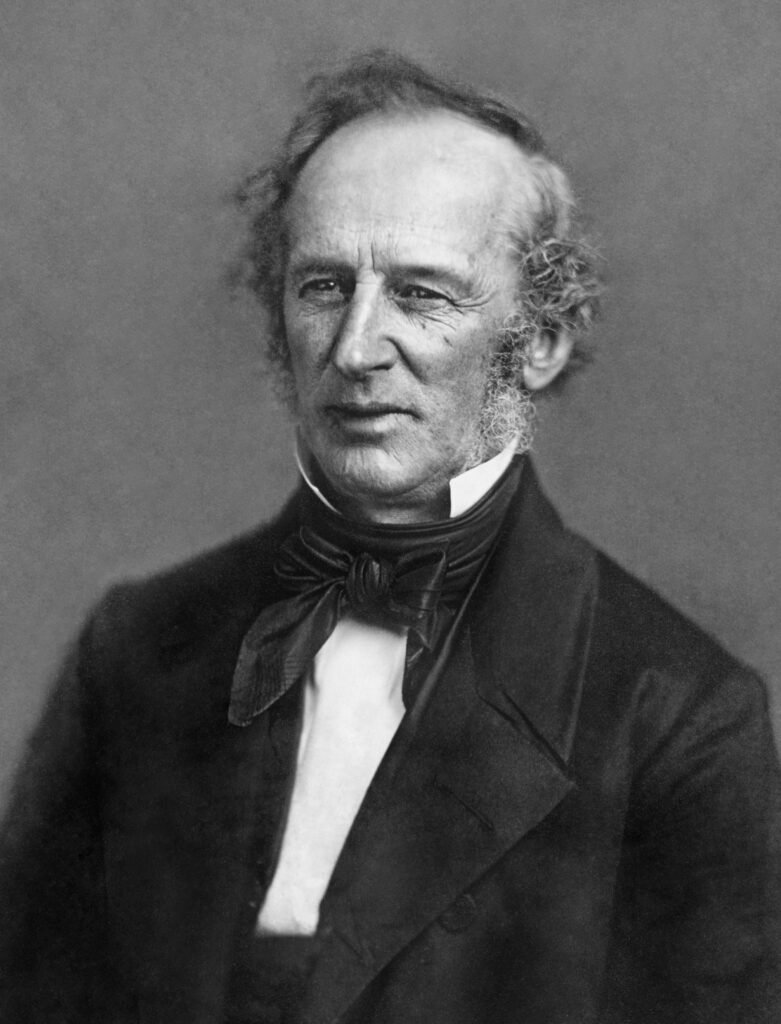
In short: Cornelius Vanderbilt began as a 추진 ferry boy in New York Harbor and, through relentless ambition and strategic investments, transformed the nation’s transportation network by consolidating shipping and railroad enterprises into one of the largest empires in history.
Despite hailing from a modest ferry dock, Cornelius Vanderbilt engineered the iron arteries that would bind a nation. He began his career in the cramped aisles of a New York ferry, hauling cargo and passengers across the harbor, a humble beginning that belied the scale of his later ambitions. In the early 19th century, America was a growing frontier; the transportation of goods and people was a chaotic, fragmented industry. Vanderbilt’s early exposure to maritime logistics taught him the value of speed, reliability, and most importantly, the power of infrastructure to shape commerce. This formative period set the stage for a man who would soon see the railroads as the future of American transport.
Rise
Vanderbilt’s ascent began in the 1820s when he invested in the New York and Harlem Railroad, the first line to connect Manhattan with the interior. By 1830, the company was profitable, and Vanderbilt leveraged that success to acquire additional lines, including the New York and Harlem’s rival, the Hudson River Railroad. His strategy of buying out competitors and consolidating routes allowed him to eliminate redundant services and streamline operations, a practice that quickly made him a formidable player in the transportation sector. In 1846, he merged the New York Central and Hudson River lines, forming the New York Central Railroad, the first major railroad system in the United States. This consolidation was not merely a business maneuver; it represented a vision of a nation connected by iron rails, reducing travel time from New York to the Midwest from several weeks to a few days. By the 1850s, Vanderbilt’s empire had grown to include shipping lines, steamboats, and railroads, making him one of the wealthiest men in the country. His relentless focus on efficiency, coupled with a willingness to use political influence to secure favorable legislation, propelled him to the pinnacle of American industry.
Peak
During the 1860s, Vanderbilt’s rail network reached its height, spanning more than 1,200 miles and serving the entire eastern seaboard. He introduced the concept of “through service,” allowing goods to move seamlessly from one line to another without the need for transfer, thereby cutting costs and improving reliability. The Civil War accelerated demand for rail transport, and Vanderbilt’s lines became critical arteries for the Union’s war effort, transporting troops, ammunition, and supplies across the nation. His ability to negotiate with politicians and secure subsidies helped keep rates low, a tactic that earned him both admiration and criticism. Critics branded him a “robber baron” for his aggressive tactics, but his innovations laid the groundwork for modern logistics and freight handling. By the 1870s, the New York Central Railroad was the largest railroad in the United States, and Vanderbilt himself was arguably the richest individual in America, with assets valued in the hundreds of millions of dollars when adjusted for inflation. His influence extended beyond railroads; he invested in iron works, steamship lines, and even the early electric rail systems, signaling his forward‑thinking approach to transportation technology.
Turning Point
Vanderbilt’s empire faced its first major crisis in the 1870s, a period plagued by economic depression and increasing competition from rival rail companies. The Panic of 1873 forced many railroads into bankruptcy, and Vanderbilt’s aggressive consolidation tactics began to show cracks. In 1874, he was forced to sell portions of his holdings in the New York Central to raise capital, a move that diluted his control over the network. Moreover, his reliance on political influence became a liability as public sentiment shifted against monopolistic practices, leading to stricter regulatory scrutiny. The railroad industry’s volatility was further exacerbated by the rapid expansion of new lines across the country, fragmenting the market and reducing the profitability of long‑distance routes that had once been his forte. Personal health also declined, and Vanderbilt was no longer able to oversee operations with the same vigor he had in his earlier years. These factors combined to create a tipping point, signaling the beginning of the decline of his once-dominant empire.
Fall
After the death of his son, William Henry Vanderbilt, in 1885, the family’s control over the railroad weakened, and the New York Central began to fragment into smaller entities. By the time of Cornelius Vanderbilt’s death in 1877, his empire was already under strain; the company faced mounting debt and had to restructure to remain viable. The rise of competition from other major railroads, such as the Pennsylvania Railroad, further eroded the New York Central’s market share. Regulatory reforms, including the Interstate Commerce Act of 1887, imposed new limitations on railroad rates and practices, curbing Vanderbilt’s ability to dominate the industry. In the ensuing decades, the railroad industry shifted from a handful of monopolistic giants to a more diversified and regulated sector, marking the end of Vanderbilt’s direct influence. Despite the decline, his foundational work in creating a nationwide rail network left an indelible mark on American commerce and mobility.
Lesson
Vanderbilt’s story teaches that monumental success begins with a simple, clear vision and relentless execution. He identified a critical need—efficient, reliable transportationამიან—and built infrastructure to meet that need, demonstrating the power of scale and integration. Yet his legacy also warns of the perils of unchecked expansion and political manipulation; sustainability requires balancing ambition with ethical stewardship and adaptability to changing markets. Modern entrepreneurs can learn from Vanderbilt’s strategic acquisitions, his focus on customer value (through seamless service), and his willingness to invest in technology. At the same time, they should heed the importance of regulatory compliance and corporate responsibility, ensuring that growth does not compromise public trust. In essence, Vanderbilt’s rise and fall illustrate that the path to lasting influence lies not only in building systems but also in governing them wisely and transparently. By applying these principles—vision, integration, innovation, and ethical oversight—today’s business leaders can create infrastructures that endure and serve society across generations.
Frequently Asked Questions
What were Cornelius Vanderbilt’s early years like?
Vanderbilt was born in 1794 in New York City and worked as a ferry boy in his teens. He later joined his father’s shipping business, gaining hands‑on experience that would prepare him for future ventures.
How did Vanderbilt transition from shipping to railroads?
In the 1830s he leveraged profits from coastal and inland shipping to invest in rail lines, eventually acquiring and consolidating several companies into the New York Central Railroad.
Why is Vanderbilt considered a “robber baron”?
Critics gamblers that he used political influence to secure monopolies, refusing competition and driving prices high, a practice that defined him as a controversial industrialist.
What is Vanderbilt’s lasting impact on America?
He laid the nation’s first continuous rail line, introduced efficient freight methods, and left a philanthropic legacy through Vanderbilt University.